Water safety & water literacy
Understand the water.
Make better decisions.
Water safety is about more than techniques. It is awareness, judgement, behaviour, environmental understanding — and making good decisions early.
Why this matters
Water is not one environment.
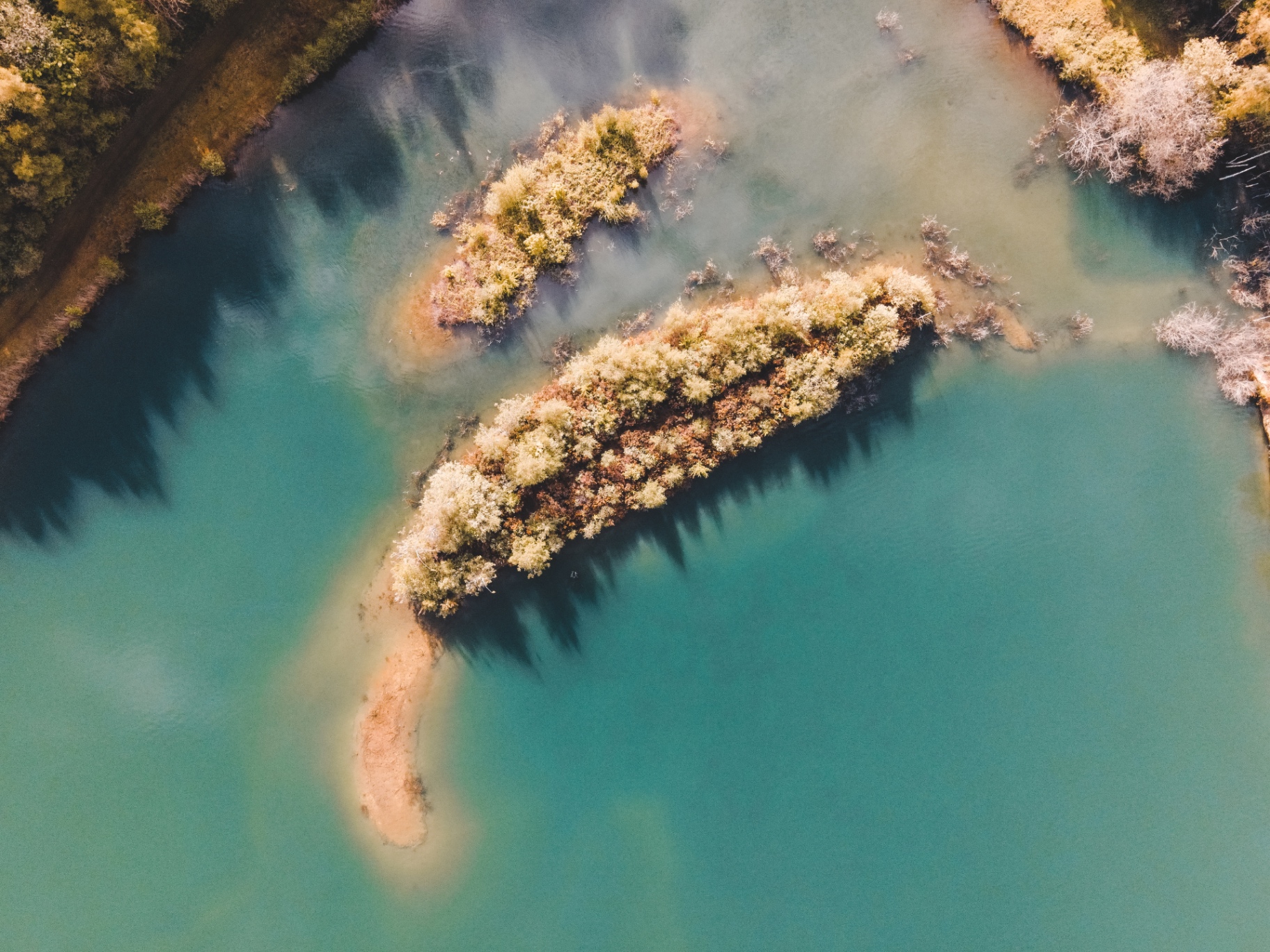
A river is not a quarry. A reservoir is not a managed swimming lake. A canal is not the sea. They behave differently, they hide different things, and they ask different questions of the people using them.
Conditions change the same location too — wind, weather, season, water level, time of day, who else is there. The objective is to understand the water actually in front of you rather than rely on a one-size-fits-all assumption.
Good water-safety education doesn’t stop with knowing the rules. It helps people understand the environment in front of them, recognise when things are changing and make better decisions before a problem develops.
None of this is intended to frighten anybody away from water. SHACADEMY is fundamentally positive about outdoor and open-water activity. The point is to help people enjoy and work around water with greater awareness, environmental understanding, judgement, capability and responsibility.
Prevention is usually better than reaction.
How we think and behave
The SHACADEMY Way™
Nine ideas that describe how we approach water, other people and ourselves. Free to use, free to teach, free to pass on.
- S
Self
Safety starts with you.
Look after yourself first.
- H
Humility
Respect the water and your limits.
Leave ego and overconfidence behind.
- A
Awareness
Understand what is happening around you — the conditions, the people and the environment.
- C
Communication
Be clear, calm and consistent.
Good communication can prevent problems before they develop.
- A
Ability
Match your skills and experience to the environment.
Progression matters.
- D
Decision Making
Make good decisions early.
Prevention is usually better than reaction.
- E
Environment
Every location is different.
Learn to understand the water and environment you’re operating in rather than relying on a one-size-fits-all approach.
- M
Mentorship
Learn from experience and pass it on.
We become better by learning from others and helping others develop.
- Y
You / Ownership
Take responsibility for your actions and the effect they have on others.
SHACADEMY deliberately starts with Self and finishes with You. Everything between the two is part of the journey: developing the knowledge, judgement, skills and behaviours that allow us to take greater responsibility for ourselves and, as our experience grows, for others.
What we consider around water
The SHACADEMY WATER Safety Framework™
Five prompts for the water in front of you, today. Five things are memorable standing on a bank in the wind. Nine are not.
- W
Wind & Weather
What are the conditions doing now, and what might change?
Consider wind direction and strength, visibility, temperature, storms and other weather.
- A
Ability & Awareness
Are your skills appropriate for today’s conditions?
Know your limits and remain aware of the people and activity around you.
- T
Tools
Have you got the right equipment, and do you know how to use it?
Consider buoyancy, appropriate leashes, suitable craft and ways of communicating or calling for help.
- E
Environment & Exit
Understand where you are.
Know your entry and exit points, hazards, distance from safety and what alternatives you have if circumstances change.
- R
Rescue & Responsibility
Know what you can do if something goes wrong — while remembering that your own safety comes first.
Understand basic rescue principles, use appropriate equipment and communicate and work with others where possible.
How the two work together
The SHACADEMY Way
How am I approaching this?
WATER
What do I need to consider here and now?
Simple enough to remember.
Deep enough to develop.
The frameworks are not intended to replace proper training, recognised qualifications, local knowledge, risk assessment or professional procedures. They are designed to create a habit of thinking.
The SHACADEMY Method™ and associated operational-review frameworks and materials are developed by SHACADEMY®.
Free public resources
Useful whether you ever work with us or not.
We give away the message and sell the learning and the experience. Nobody should have to buy something from us to think more clearly about water. Share these freely.
Your friend is in trouble in the water. Should you go in?
Somebody you know is struggling in the water. Your instinct says get in. That instinct is completely human — and it is also how people trying to help end up in difficulty themselves. Here is what to think about, and what the recognised national guidance actually says.
Read it →Before you get in, learn to read the water.
You can swim. You have been in before. Your mates are already getting in. None of that tells you anything about the water in front of you today. Reading the water is a habit, it takes about two minutes, and it is the single most useful thing most people never learn.
Read it →
Where emergency guidance is needed we use current recognised UK national guidance and attribute it clearly. We do not write our own rescue slogans, and we do not publish safety claims we cannot support.
Two routes
Where do you fit?
For schools, young people & groups
Secondary schools, sixth forms and colleges; Scouts, Guides, Explorers, Rangers and DofE groups; youth and community organisations; teachers, youth leaders and other adults responsible for people around water. Practical sessions built around understanding the environment rather than a slide deck of warnings.
Conventional lessons, signs and posters do not reach everybody. Some of the young people least likely to be reached by conventional water-safety education are exactly the people worth speaking to properly — directly, without patronising them, about situations they recognise.
Explore Schools & Water Safety →For people who work around water
Lifeguards, SUP and paddlesport instructors, rafting guides, open-water swim coaches, outdoor instructors, activity and event staff — and people preparing to work around inland and open water for the first time.
Qualifications provide important foundations. Experience, environmental understanding and continued development allow practitioners to keep growing. This complements recognised qualifications rather than replacing them.
Explore Open-Water Practitioner Development →Responsible for a site where people access water — an estate, reservoir, quarry, lake or stretch of river? The answer is not always more signage or a bigger fence. Understanding who accesses the water, why, where and how is usually more useful. Start Organisation Discovery.