Site-Specific Lifeguard Training & Development
Ongoing practical training for qualified lifeguard teams, built around your venue, procedures, equipment and operating environment.
For venues, operators and safety leads. Individual lifeguard mentoring is offered separately, further down this page.
Two routes
Which applies to you?
For individuals
Private lifeguard development, mentoring and personal capability development — whether you have just qualified, want practical development, or are preparing for lifeguard training.
Enquire about individual mentoring →For venues & employers
Site-specific team development, pre-season preparation, winter readiness and related organisational support for the venue your team guards.
Start Organisation Discovery →Already know what you need? Discuss team training directly. Wanting an independent read on how the operation performs? Secret Swimmer.
The proposition
Training that starts where qualification stops.
Your lifeguards are qualified. A qualification establishes the foundation — it does not teach a team every operational detail of your particular venue: its hazards, its Normal Operating Procedures, its emergency arrangements, its rescue equipment, its communications and the way that team works together.
That capability is built by practising it in the place people actually guard — and it needs maintaining across a season as staff, conditions and activities change. Qualification and ongoing venue-specific development do different, complementary jobs.
Venues often call this lifeguard refresher training. In practice it is site-specific ongoing competency, development and operational readiness for the team you already have. SHACADEMY does not award lifeguard qualifications. We work with venues to develop and maintain the practical capability of already qualified teams.
RLSS UK guidance places responsibility for ongoing training and continued competency with the employer, with practical training linked to the venue’s own Normal Operating Procedures and Emergency Action Plan. SHACADEMY supports venues with that work. It is independent of RLSS UK and does not provide certification or compliance approval.
- Open water swimming venues, lakes and inland water venues.
- Activity, adventure and watersports centres with supervised water activity.
- Visitor attractions where water activity is supervised by a lifeguard team.
- Event operators where lifeguard teams form part of the safety provision.
- Venues and operators arranging ongoing, site-specific training for an already qualified lifeguard team.
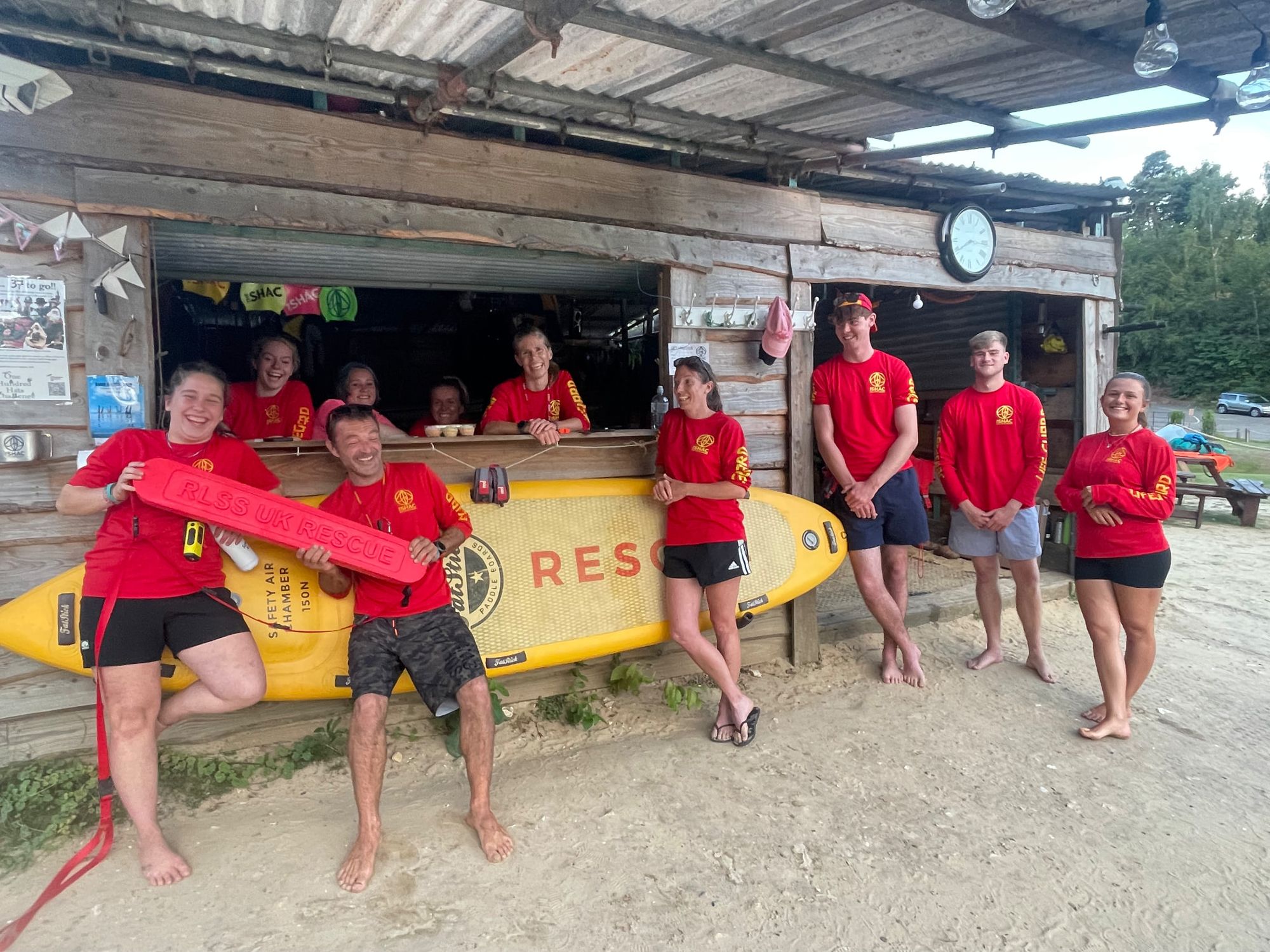
This work comes from years of building and running lifeguard teams at an inland open water venue in Surrey — recruiting, training, supervising and learning what actually keeps people safe on a live operating day.
That history is documented in the Buckland Park Lake and The SHAC case studies.
Training for your team
What SHACADEMY can help you with
Practical, site-specific training for already-qualified lifeguard teams. Each application is scoped around your venue, procedures and operating environment.
Site-Specific Lifeguard Team Training
Practical training built around your venue's hazards, Normal Operating Procedures, Emergency Action Plan and team roles.
Read more →Ongoing Competency Development
Recurring sessions and realistic scenario work supporting competency between qualification and renewal.
Read more →Winter Lifeguard Readiness
Site-specific preparation for teams operating through autumn and winter, and pre-season refresher training for seasonal venues.
Read more →SUP Rescue Craft Training for Lifeguard Teams
Training qualified teams to handle a stand-up paddleboard as part of the venue's rescue provision.
Read more →Pre-Season Team Training
Refresh competency, rehearse NOPs and EAPs, and prepare the team before spring reopening.
Read more →What ongoing training can cover
Built around your site, not a generic syllabus.
Sessions are scoped with the venue and shaped around your own environment, procedures, equipment and team. Most teams draw on some of the following, in a sequence that fits their season and staffing.
Your venue
- Venue-specific hazards and changing conditions
- Your Normal Operating Procedures (NOP) in practice
- Supervision, zoning and scanning for your water
Prevention & rescue
- Prevention and early intervention
- Rescue skills appropriate to the environment
- Use of your own rescue equipment
When it goes wrong
- Rehearsing your Emergency Action Plan (EAP)
- Communication and escalation
- Team roles during an incident
Over the season
- Realistic, site-based scenarios
- Maintaining competency through the operating season
- Learning from incidents and near misses
SEASONAL TEAM TRAINING
Winter Lifeguard Readiness
Your operating environment changes in winter. Has your lifeguard team trained for it?
Qualified lifeguards still need to be prepared for the actual conditions, procedures, equipment and challenges they may encounter at their own venue during colder months. This is practical, site-specific preparation for venues that continue operating through autumn and winter — and for seasonal venues that want to use the quieter months well.
Operating through winter?
Prepare qualified teams for colder, darker and more changeable operating conditions. Colder-water conditions and cold-water operational readiness can form part of site-specific team development, worked through in the team’s own environment.
Closed or quieter through winter?
Use it to prepare for the next season: refresh competency, rehearse NOPs and EAPs, run realistic scenarios, develop team communication, review rescue arrangements, learn from the previous season and prepare for spring reopening.
What winter training can cover
- Colder water and environmental conditions
- Changing site hazards
- Reduced daylight and visibility
- Weather-related operational decisions
- Prevention and early intervention
- Winter-specific rescue scenarios
- Cold-stressed casualties and appropriate casualty care within the team's scope
- Rescue equipment readiness
- Communications and escalation
- Staffing, roles and team coordination
- Application of the venue's NOP and EAP
- Realistic emergency rehearsals in the conditions in which the team actually operates
This is practical operational development for already-qualified teams, not a qualification course. SHACADEMY does not award or sell lifeguard qualifications.
Discuss winter training for your team →RESCUE CRAFT TRAINING
SUP Rescue Craft Training for Lifeguard Teams
If a paddleboard forms part of your rescue provision, is your team trained to use it effectively in a lifeguarding context?
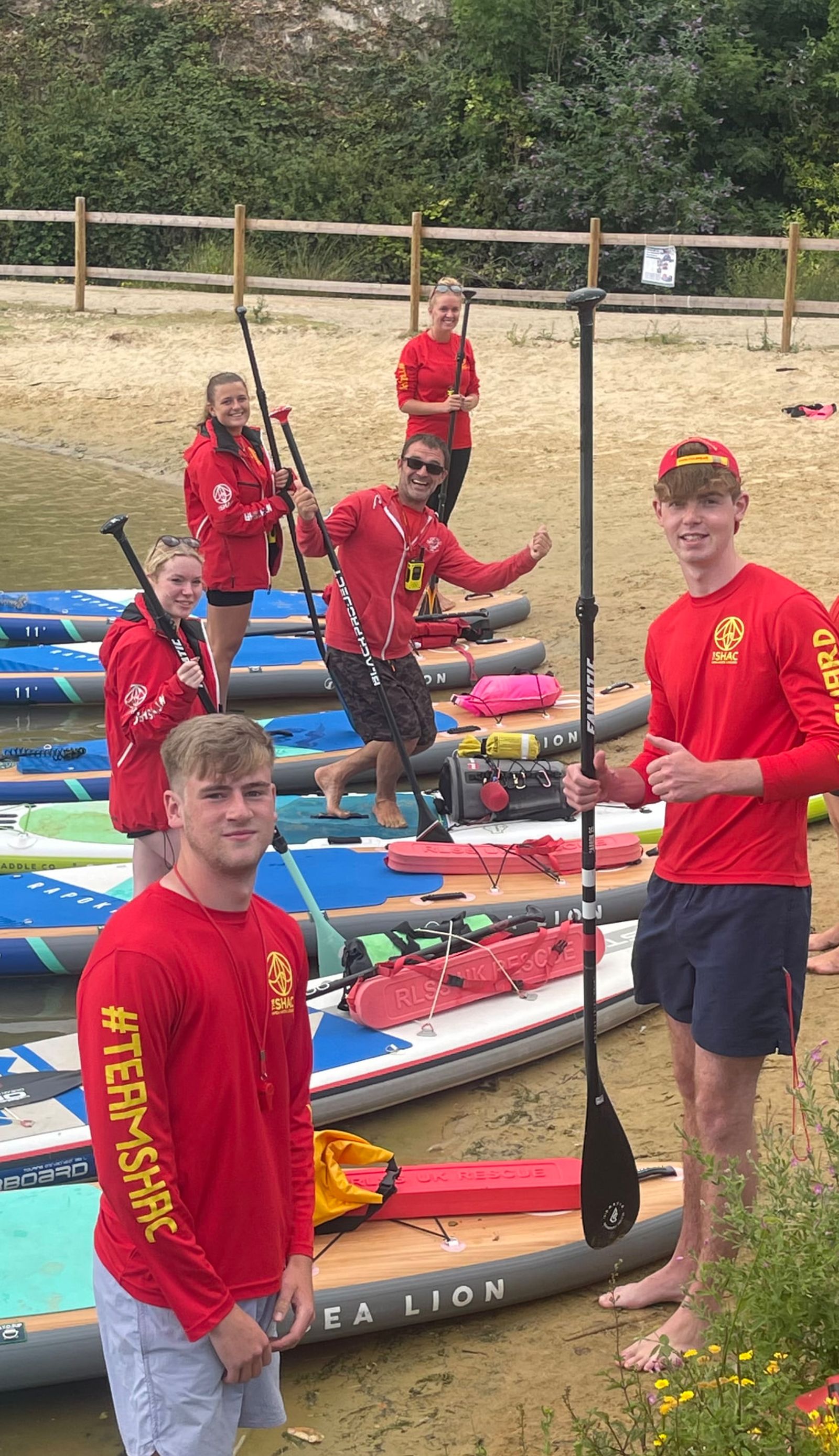
Stand-up paddleboards are increasingly used as rescue craft at open-water venues. Using one well in a lifeguarding context is different from recreational paddling. We train qualified lifeguard teams to handle a SUP as a practical rescue platform in their own operating environment, around their own equipment, procedures and team roles.
This training is specifically for stand-up paddleboards as part of a venue’s rescue provision. It is not a beginner SUP lesson — personal paddleboard coaching is available separately — and it does not cover rescue boats, PWCs, kayaks or other craft.
What SUP rescue-craft training can cover
- Safe and effective handling of a SUP as a rescue platform
- Launching and manoeuvring in the venue’s operating environment
- Approaching a casualty
- Casualty contact and recovery using the board
- Transporting and returning a casualty
- Communication with shore-based lifeguards
- Integrating the SUP into the venue’s wider rescue response
- Team roles and handovers
- Realistic site-specific rescue scenarios
- Equipment familiarisation and readiness
- Understanding the practical capabilities and limitations of the SUP as a rescue craft
SITE-SPECIFIC TEAM TRAINING
From £495
Half-day and full-day practical training delivered at your venue, built around your operating environment, procedures, equipment and team.
- Half-day site-specific team training — from £495 + travel
- Full-day site-specific team training — from £850 + travel
- Longer-term / seasonal training programmes — quoted according to venue, team and training requirement.
Prices are indicative starting points for a single site-specific training session. Final quotes depend on venue, team size, travel and the scope of training required.
Discuss training for your lifeguard team →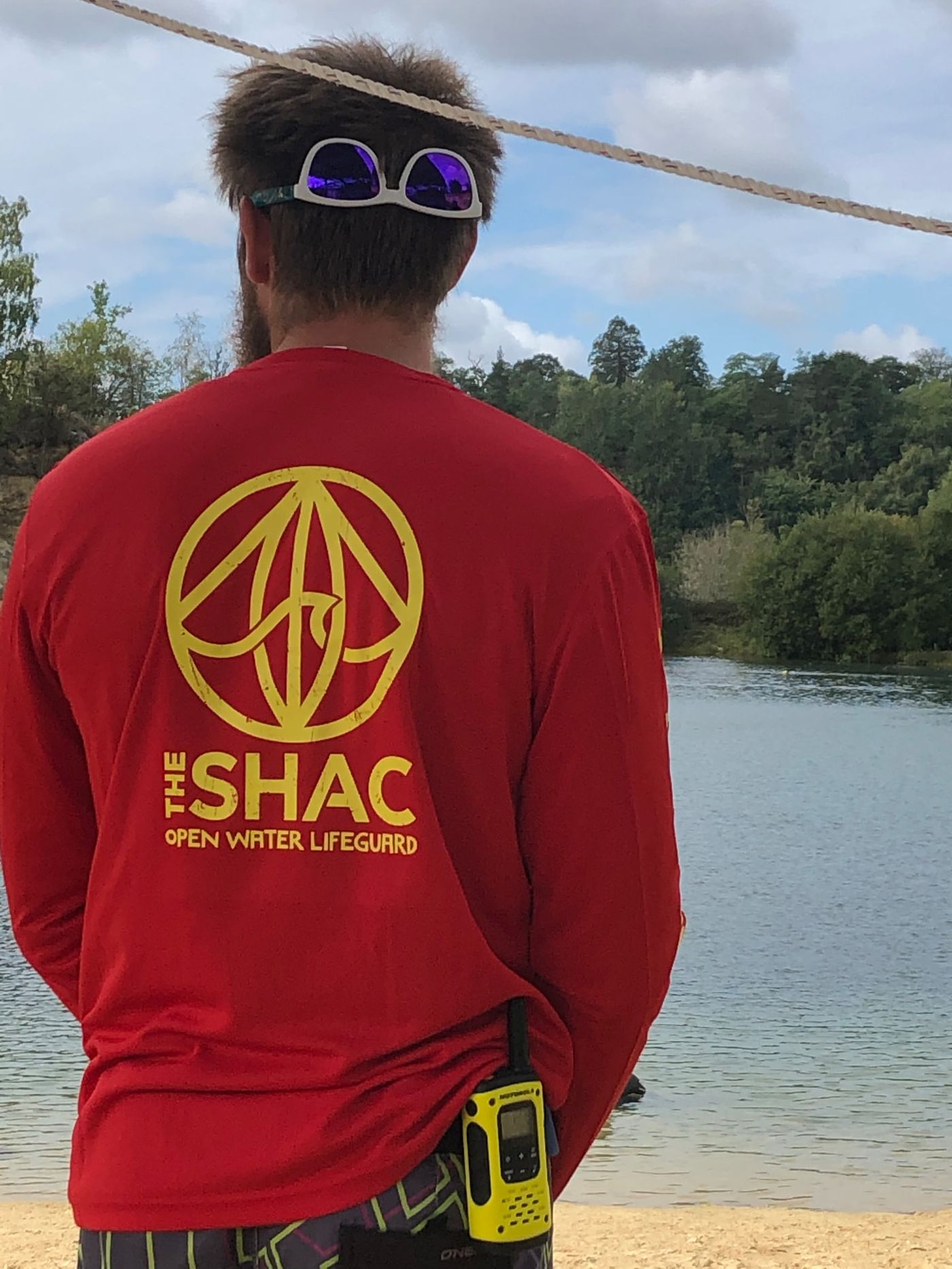
For venues and operators
Team training, on your site.
Venue and team training is delivered at your site and is not limited to Surrey — it can be arranged more widely across the UK where travel and conditions allow.
Sessions are led by Scott “Skip” Innes, who built, recruited, trained and supervised the lifeguard team at an inland open water venue in Surrey — so the training reflects what it actually takes to make lifeguarding work operationally, day to day.
Where a venue wants broader work — safety systems, procedures, training culture or qualification frameworks — that sits within SHACADEMY’s organisational consultancy rather than lifeguard development. This page is about practical capability; the systems those teams work inside are a separate piece of work.
Lifeguard and venue development is scoped individually. See team training pricing →
Discuss training for your lifeguard team →Independent operational review
Want to see how your operation performs in practice?
Secret Swimmer provides an independent view of the real customer and operational journey — observing what happens in practice and identifying the gap, if any, between intended procedures and day-to-day delivery.
Explore Secret Swimmer →For individual lifeguards
Be ready for the job, not just qualified for it.
Alongside venue work, individual mentoring is available for newly qualified lifeguards making the step from assessment to real responsibility, experienced guards who want practical development, and people preparing for lifeguard training — practical preparation, not exam coaching, and no guarantee of qualification success. Individual mentoring is usually arranged in Surrey and the Surrey Hills, around Dorking, Reigate and Guildford.
What people usually come for
- Preparing for open-water lifeguard training
- Moving from pool lifeguarding into open water
- Developing practical competence beyond the qualification
- Understanding what employers actually expect
- Preparing for a first open-water lifeguarding role
- Improving environmental awareness and judgement
- Rescue-craft and SUP development where appropriate
- Progressing toward greater operational responsibility
SHACADEMY does not award qualifications and cannot promise employment. What mentoring does is build genuine capability, awareness and judgement.
Enquire about individual mentoring →Lifeguard Development is one specialist pathway within broader open-water practitioner development.
Tell us about your venue and team.
Tell us what you're trying to achieve and we'll explore whether SHACADEMY is the right fit. Skip personally reviews every coaching enquiry.
Discuss training for your lifeguard team →Sessions are arranged individually and remain subject to suitable venue, permissions and operating conditions.