Water safety resource
Before you get in,learn to read the water.
You can swim. You have been in before. Your mates are already getting in. None of that tells you anything about the water in front of you today. Reading the water is a habit, it takes about two minutes, and it is the single most useful thing most people never learn.
Water is not one environment
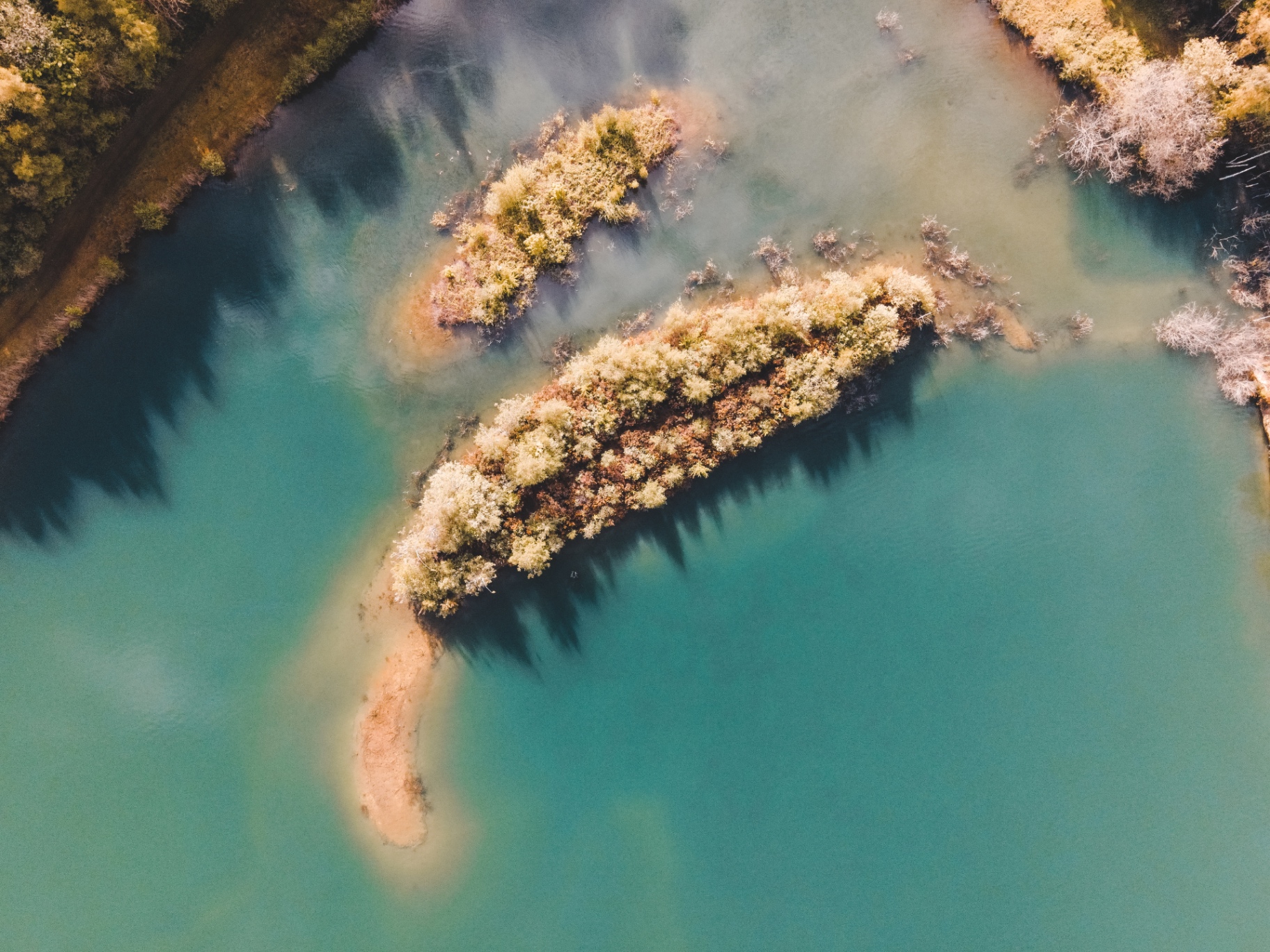
A river is not a quarry. A reservoir is not a managed swimming lake. A canal is not the sea. They behave differently, they hide different things, and they ask different questions of you.
The same location is not one environment either. Wind, rain, sunshine, season, time of day, water level, boat traffic, how many people are there and who they are — all of it changes the place you thought you knew.
So the useful skill is not learning a rule that covers everywhere. It is learning to look at the water actually in front of you, today, and notice what it is telling you.
Stop. Look. Then decide.
Before anybody gets in, give it two minutes of proper attention. Not a glance while you are getting changed — an actual look, from the bank, at the whole picture.
We use five prompts, because five things are memorable when you are standing on a bank in the wind and nine are not.
The prompts, in plain terms
- Wind & weather — what are the conditions doing right now, and what are they likely to do in the next hour? Wind direction matters: an offshore or cross-water wind will push you away from where you got in.
- Ability & awareness — are your skills right for today, not for the best day you ever had? And who else is here: swimmers, paddlers, boats, children, people who are relying on you?
- Tools — what have you got with you, and do you actually know how to use it? Buoyancy, an appropriate leash if you are paddling, something bright, a way of calling for help that will still work when it is wet.
- Environment & exit — where exactly are you getting out? Is it the same place you got in? Is it still reachable if you drift, if you tire, if the wind gets up? What is under the surface, and what cannot you see?
- Rescue & responsibility — if it goes wrong, what can you realistically do, and who is going to notice? Is there rescue equipment nearby? Does anybody on the bank know what to do? Remember that your own safety comes first.
These five prompts are the SHACADEMY WATER Safety Framework™ — W, A, T, E, R. Free to use, free to teach, free to pass on.
What you are looking for
You are not carrying out a risk assessment. You are building the instinct that experienced water people already have: a quiet running commentary on the environment.
Practically, that means noticing things like these — and noticing when the answer is “I don’t know”, because “I don’t know” is itself information.
- How the surface is moving, and whether it is moving differently in different places.
- Where the wind is coming from and what it would do to somebody who got tired.
- How far it is to the nearest place you could genuinely get out.
- What you can see under the surface, and how much you cannot.
- Whether anything here is man-made and unfamiliar: structures, gates, banks, machinery, sudden depth.
- How cold it is on your hands and feet, and what that suggests about the rest of you.
- Who is with you, who is watching, and whether anybody outside the group knows where you are.
- What changes if this takes longer than you expect.
Being a strong swimmer is not the same as understanding water
Pool ability is real ability, and it is worth having. It just answers a different question. A pool has a known temperature, a visible bottom, a wall every twenty-five metres and somebody watching.
Open water asks about cold, distance, conditions, navigation, exits and time. Those are learnable — that is exactly what open-water coaching is for. They are simply not automatically included with the ability to swim well.
We are not trying to keep anybody out of the water. We spend our working lives in it and want other people to enjoy it too. Understanding the environment is what makes that enjoyment last.
Do it out loud, once
If you take one thing from this: say it out loud, with the people you are with, before you get in. Wind, ability, tools, environment and exit, rescue.
It takes about two minutes, it makes better decisions much more likely, and it teaches everybody standing there the same habit. Simple enough to remember. Deep enough to develop.
Sources
Recognised national guidance is quoted as published and attributed. It is not SHACADEMY’s work and we do not claim it. Where thinking, judgement or the frameworks are ours, we say so.
If this is useful to somebody you know, send it to them.
Where to go next
Should you go in after them?
The instinct is to get in and help. It is also how helpers get into trouble. What to think about, and the recognised UK national guidance on what to do instead.
Open-water practitioner development
For people who work, or want to work, around inland and open water.
Swimming & open-water coaching
Learning open water properly, with a coach, in Surrey and the Surrey Hills.