Venue & Destination Development Case Study
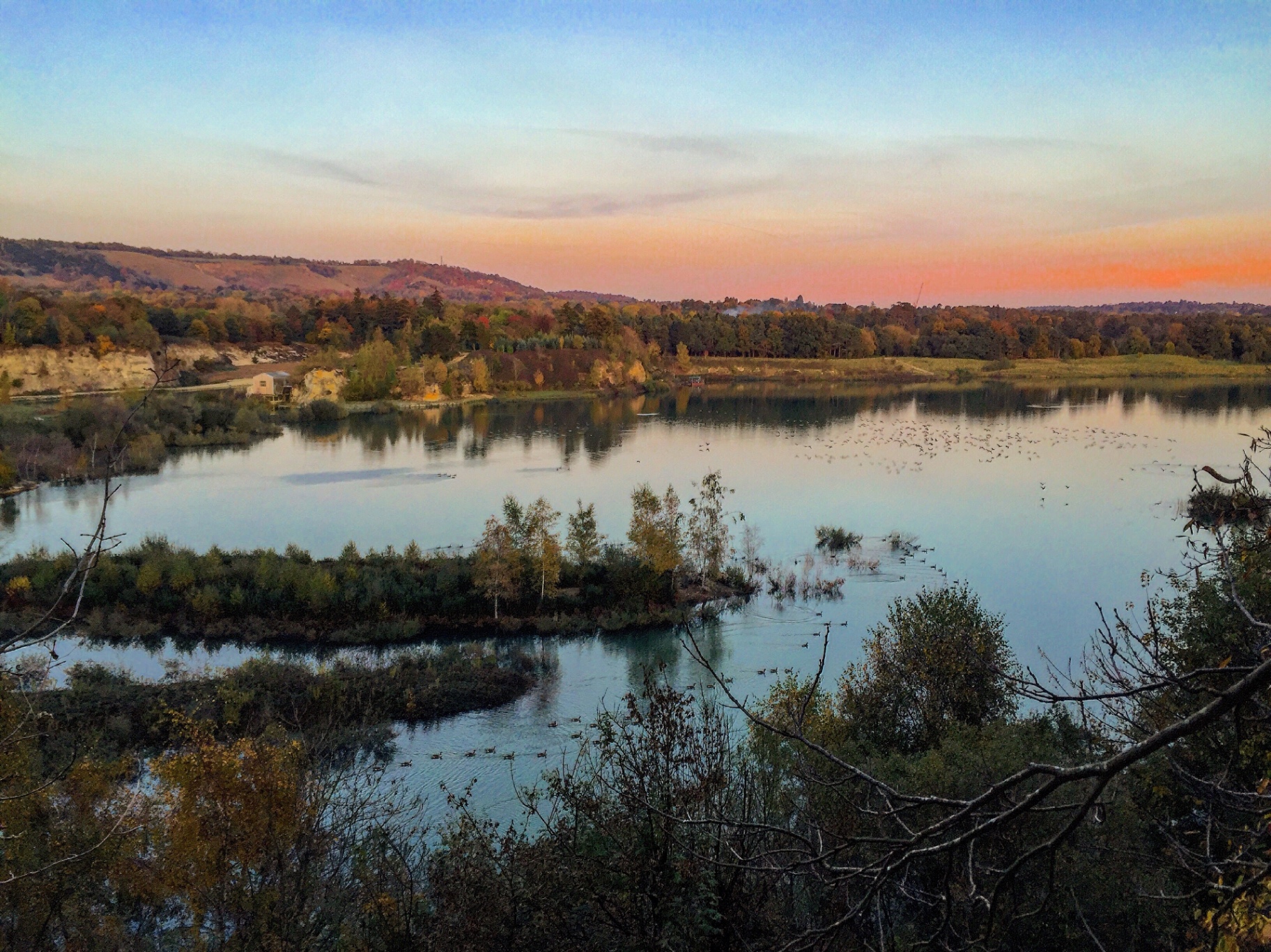
Buckland Park Lake — Letting the Place Lead the Development
How managed access, phased activity, stakeholder negotiation and learning from real users helped a former quarry lake evolve into an established outdoor destination.
When The SHAC began operating at Buckland Park Lake in 2017, the estate already recognised that its former sand quarry had potential. The challenge was how to turn that potential into something workable.
There was very little visitor infrastructure. An established fishing club already had a strong relationship with the lake. Unauthorised access to the water created a growing concern around risk. And any new activity needed to work with the landscape rather than simply impose a conventional leisure model upon it.
The proposition developed by Scott ‘Skip’ Innes for The SHAC approached those constraints differently. Rather than waiting for a fully developed venue, start small. Introduce managed activity. Learn how people actually use the place. Work with existing stakeholders. And allow experience to help inform what comes next.
The wider destination that exists today has been shaped by many people, organisations and decisions over time. This case study looks at what can be learned from being part of that evolution.
Case study snapshot
At a glance
Location
SHAC negotiations began
SHAC operation began
First full operational summer
Starting point
Current context
Focus areas
- Venue & Destination Development
- Land Diversification
- Managed Water Access
- Stakeholder Engagement
- Phased Development
- Outdoor Recreation
- Environmental Character
- Operator / Landowner Relationships
One
The opportunity already existed
Buckland Park Estate already saw potential in its former quarry lake before The SHAC became involved. There was interest from more than one prospective operator, including organisations with greater specialist water-sector experience than The SHAC had at the time.
Skip’s proposition approached the opportunity from a broader perspective. The SHAC already worked across woodland activity, outdoor learning, mountain biking, paddleboarding and adventure experiences. That meant the site wasn’t viewed simply as a body of water requiring a watersports operator. It was considered as a landscape with different possibilities.
The lack of conventional infrastructure, which could easily be seen as a weakness, was not necessarily a reason to wait. It created an opportunity to start simply and discover what the place and its users actually needed.
From the archive — the beginning at Buckland
The first film made here
This short promotional film was published on 1 May 2017 — the first film Skip made at Buckland Park Lake, during the first year of The SHAC’s involvement with the site. It advertises the SUP Lagoon: taster sessions, group and private hire on a lake with almost no visitor infrastructure around it.
It is included as a dated record of where this chapter started, not as evidence of the activities, staffing, equipment or arrangements in place today.
Two
Managed access can reduce unmanaged risk
There was another issue around the lake. People were already finding ways onto the site to use the water without permission or an organised operating structure.
For a landowner, unmanaged water access creates a difficult problem. Preventing every instance of access can be challenging. Ignoring it doesn’t remove the risk. And a serious incident could have significant human and organisational consequences.
Part of Skip’s proposition was that introducing properly managed activity could help change the relationship between people and the water. Instead of the lake being somewhere people attempted to access unofficially, it could become somewhere people were invited to participate within an organised environment.
In practice, the establishment of managed activity helped reduce the unauthorised use that had previously concerned the estate.
Sometimes the safer response to demand is not simply to prohibit it. It is to understand it and consider whether it can be managed better.
Three
Development has to include the people already there
The lake was not an empty canvas. An established fishing club already used it and had a long-standing relationship with the place.
Introducing new activity therefore required more than operational planning. It required diplomacy.
The early years involved navigating the priorities of:
- Buckland Park Estate as landowner
- the established fishing community
- The SHAC as a new activity operator
- customers beginning to use the site in new ways
Those interests did not always align perfectly. The objective was not for one group to “win”. It was to find workable ways for different uses to coexist. That required communication, compromise, operational adjustments and patience.
The experience reinforced a principle that now informs SHACADEMY’s venue-development thinking: a place rarely starts with a blank sheet of paper. Existing users, relationships, history and informal ownership can matter just as much as physical infrastructure.
Four
Start small enough to learn
The first full operational summer in 2018 was deliberately simple. There was an old quarry boathouse, sand, water and very little conventional visitor infrastructure.
The SHAC customer operation began from a tent on the beach. Equipment stored in the boathouse was moved across the water to set up the activity area. The tent eventually became a container, with a simple scaffold structure added to provide some covered working space.
There were no elaborate facilities to hide behind. That simplicity became useful.
Instead of designing a fully formed destination based on assumptions about what future visitors might want, the operation could observe what people actually valued. What brought them back? What made them feel comfortable? What did they need? What didn’t they need? What did the landscape itself contribute to the experience?
The answers weren’t always what conventional venue-development thinking might predict.
Five
The wildness was part of the product
One of the clearest pieces of feedback from early users was not a request for more infrastructure. Many people loved the place because there wasn’t much there.
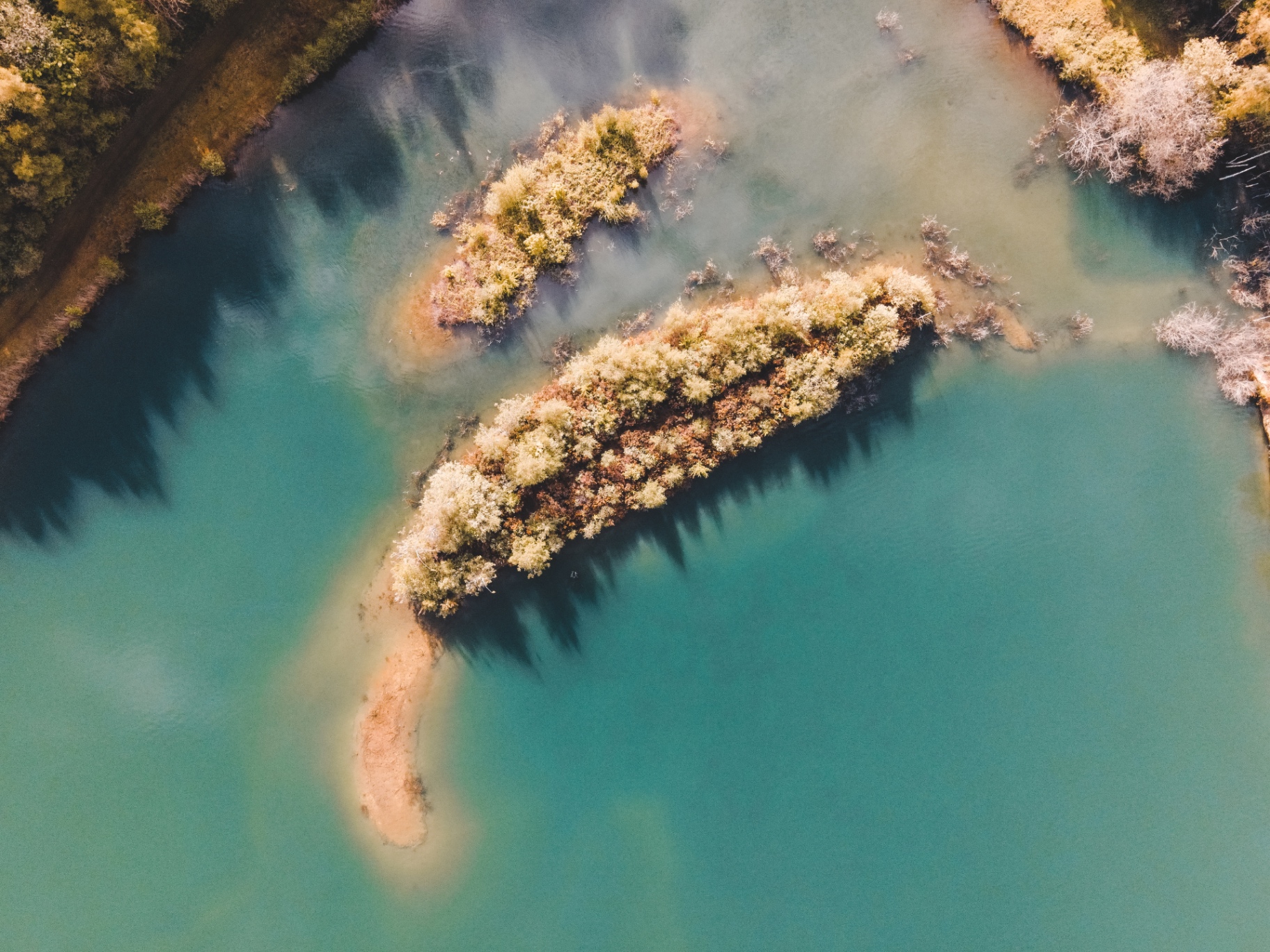
The sand, water, open landscape and relative simplicity created a sense of connection that was increasingly difficult to find elsewhere. The absence of conventional visitor infrastructure was not simply a deficiency. The wildness itself had value.
That created an important tension as the site evolved. Visitors need certain facilities. Operators need workable infrastructure. Landowners have commercial ambitions. Growth creates new expectations. But every addition can also change the quality that attracted people in the first place.
Development isn’t automatically about adding more. It is about understanding what makes a place valuable before deciding what should change.
Six
Prove the activity before building around it
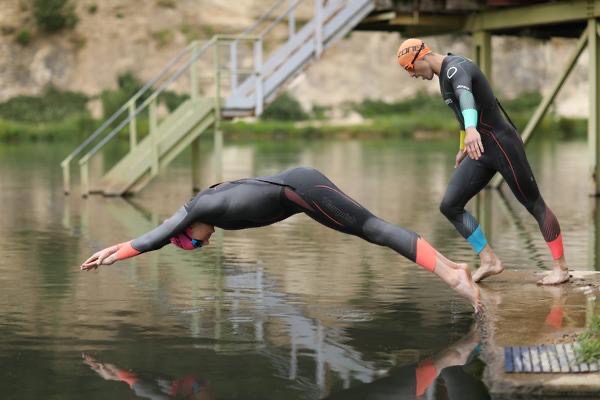
Activity at the lake became established before much of the visitor infrastructure associated with Buckland Park today. Open-water swimming, paddleboarding, woodland activity and other outdoor experiences created reasons for people to visit and return.
The operating business learned through delivery. Customer behaviour became visible. Demand could be observed rather than predicted. Operational challenges became real rather than theoretical.
This provided a very different form of evidence from a business plan alone. It showed what happened when real people interacted with the place.
That does not mean every destination should begin without infrastructure. It demonstrates something more useful: where circumstances allow, phased development can create opportunities to learn before committing to every element of the final solution.
For the story of how the operating organisation itself developed — its activities, systems, safety, technology and growth — read The SHAC case study.
Seven
One proven model, another version
The woodland activity at Buckland included Viking Camp: a woodland camp within the wider site, run by The SHAC alongside the water-based activity at the lake.
Viking Camp drew on learning from the Base Camp and woodland adventure model developed at Belmont School, and subsequently replicated and adapted at Birtley House. It was not a copy of either. At Buckland the concept took on its own character, shaped by that particular piece of woodland, the audience already visiting the destination and what the site could sensibly support.
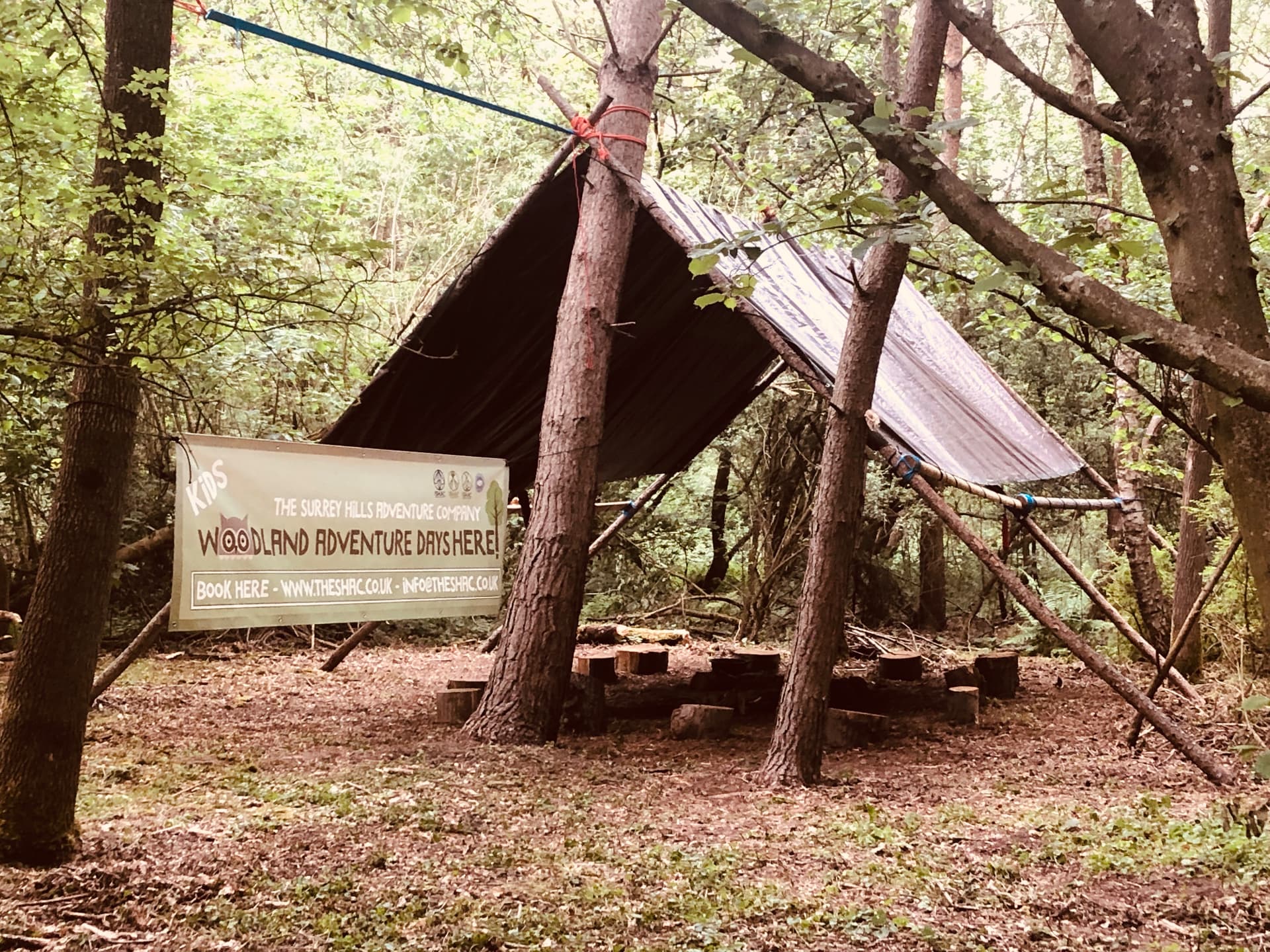
Activity in and around the camp included woodland adventure sessions and camp-based experiences for children and groups, practical woodland skills, spoon carving and other craft work, fire and cooking, musical performance and gatherings held within the camp environment.
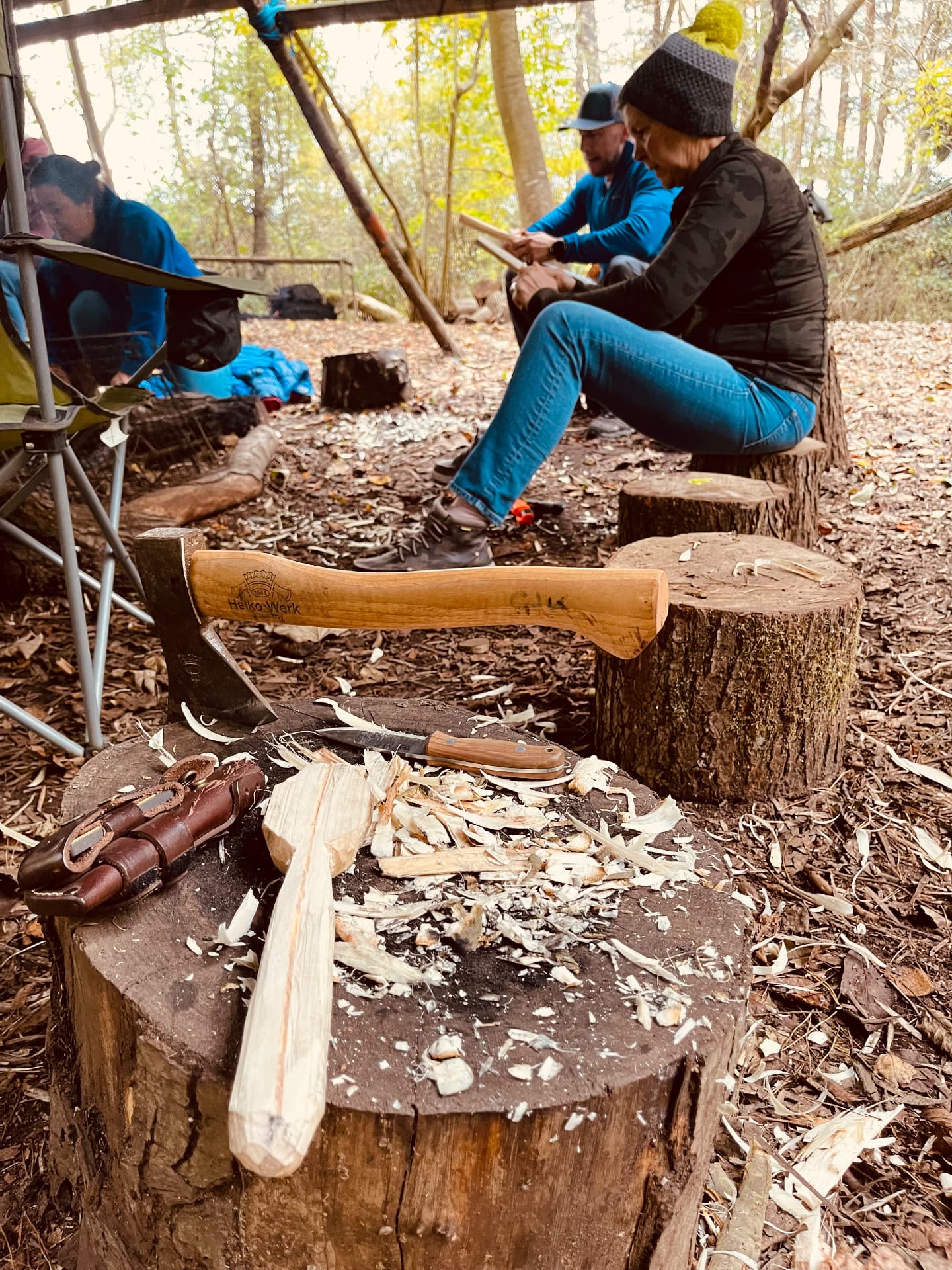
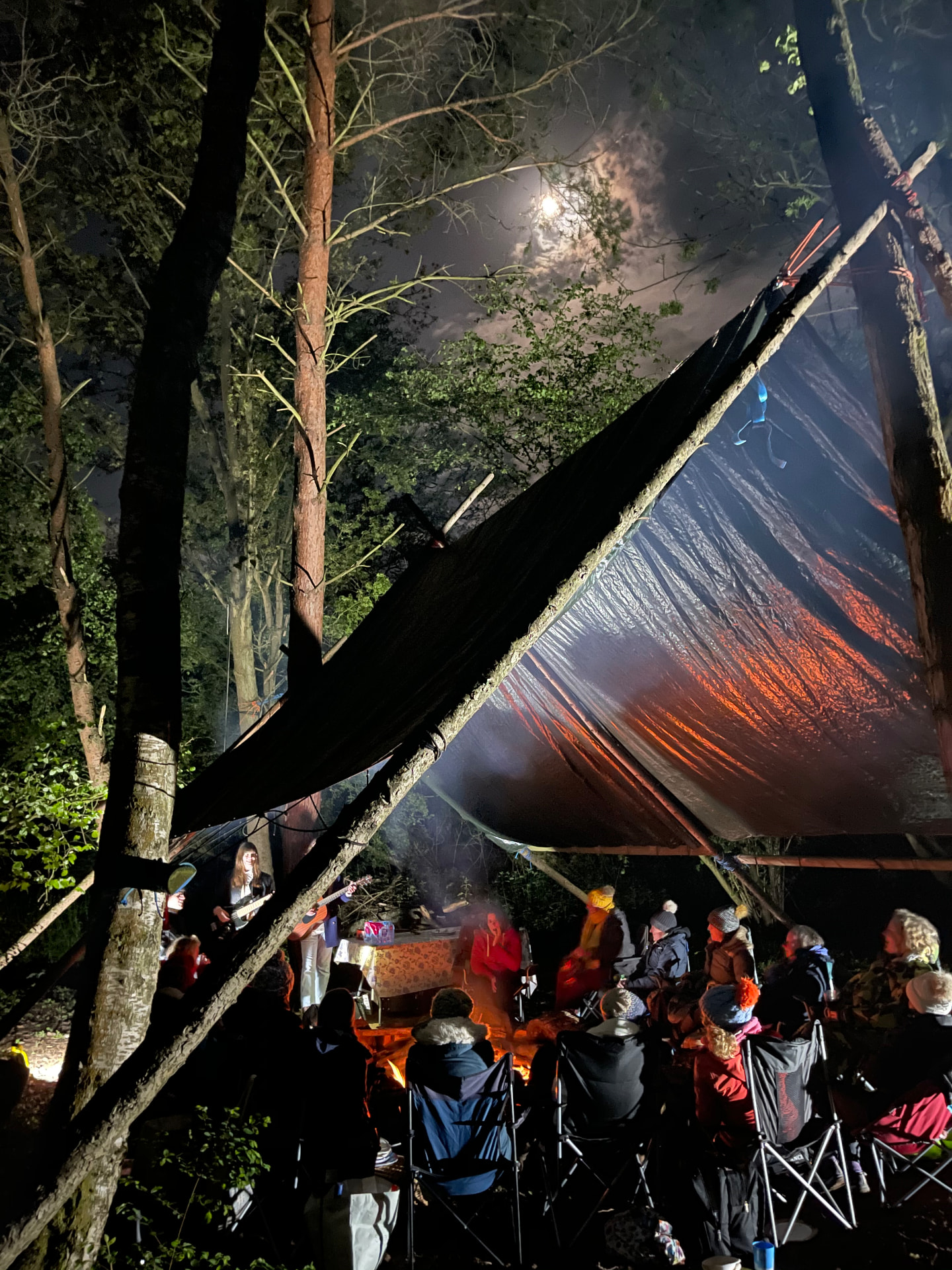
That range matters more than the camp’s scale. Viking Camp gave a part of Buckland a purpose and another reason for people to engage with the destination, without new buildings or permanent infrastructure. A physical environment can support different uses at different times if the operating model, the activity and the audience are appropriate.
It also shows that the underlying model was transferable rather than dependent on one particular woodland. What moved between the sites was the thinking — how to run a camp, manage risk, structure a session and give people a reason to come back — not a fixed template.
A place can be developed through programming as well as infrastructure.
Eight
The destination evolves
Over time, Buckland Park developed significantly. Visitor facilities improved. Changing and toilet provision arrived. Food and hospitality became part of the destination. Other operators and uses were introduced. The site became busier and more varied.
The SHAC adapted as the estate pursued its wider ambitions for Buckland Park. Not every element of that development was something The SHAC controlled or would necessarily have designed itself.
That distinction matters.
- The landowner owns the wider vision.
- Operators bring specialist experience from their part of the destination.
- Customers reveal what they value.
- Existing stakeholders bring history and established interests.
- Later businesses bring new ideas and audiences.
Successful destination development requires those different perspectives to interact. The result is rarely the work of one person or one organisation.
Nine
Growth creates trade-offs
The Buckland experience also demonstrated that successful development creates new questions. As more facilities, activities and visitors arrive, the character of a place inevitably changes.
Some changes improve accessibility and make operations easier. Some enable commercial sustainability. Some create new opportunities. But growth can also affect the simplicity and sense of escape that attracted early users.
The challenge is not to freeze a place in time. Nor is it to assume that more infrastructure automatically means a better destination. The challenge is to understand the trade-offs.
- What needs to change?
- What should be protected?
- What is the landowner trying to achieve?
- What do operators need to deliver well?
- What do existing users value?
- What will future visitors expect?
There is rarely one perfect answer. The quality of the development often lies in asking the right questions early enough.
Ten
A shared destination
Buckland Park Lake is not presented as the achievement of The SHAC or of any single organisation. Its evolution reflects the contribution of many people over time.
- Buckland Park Estate provided the place, ambition and subsequent investment.
- The SHAC became an early anchor activity operator and developed outdoor participation at the lake.
- The established fishing community remained an important stakeholder.
- Staff, instructors, lifeguards, coaches and customers helped shape how activity actually worked.
- Later operators and hospitality businesses added new reasons to visit.
- The wider community helped establish the character of the destination.
“Great destinations are rarely designed by one person. They evolve through the relationship between place, landowner, operators and the people who use them.”
Eleven
What landowners can learn
Constraints can reveal opportunities
A lack of infrastructure does not automatically mean a site cannot begin to be tested.
Managed access can sometimes reduce unmanaged risk
Understanding why people want to use a place can reveal better options than prohibition alone.
Start with the place
Landscape, environment and existing character should inform the proposition.
Understand who is already there
Existing users and stakeholders can hold relationships with a place that cannot simply be designed around.
Test before over-investing
Real users reveal things that feasibility documents cannot.
Demand and infrastructure do not always need to arrive in that order
In the right circumstances, activity can help reveal what infrastructure is genuinely needed.
Development creates trade-offs
More facilities can improve a destination while simultaneously changing what people valued about it.
Operators and landowners see different parts of the picture
Good development benefits from both perspectives.
Allow the proposition to evolve
The best use of a place may become clearer through experience.
Twelve
Why it matters to SHACADEMY
The work described in this case study predates SHACADEMY. It was undertaken through The SHAC and alongside Buckland Park Estate, existing stakeholders, customers and the organisations that subsequently became part of the destination.
The experience now informs how SHACADEMY approaches Venue & Destination Development. Not by assuming Buckland Park provides a blueprint to copy. Quite the opposite.
The lesson from Buckland is that every place starts with a different combination of:
- landscape
- opportunity
- risk
- existing users
- landowner ambition
- infrastructure
- demand
- commercial reality
SHACADEMY’s role is to help identify those ingredients, ask what others may not yet have considered, connect the right expertise and help determine what a place could realistically become. Sometimes the answer involves significant development. Sometimes it involves starting small. And sometimes the most important recommendation is recognising what should be left alone.
Viking Camp adds one further lesson. A successful activity model can sometimes be transferred to another environment, but the strongest version is usually adapted to the character, assets and audience of the new place rather than copied unchanged. And destination development can involve programming and creating reasons to participate, not only physical infrastructure.
A different stage of the same thinking is visible at Tapwood Lake, where opportunity identification, commercial scrutiny, operating-model thinking and specialist introductions shaped a new use for an underused estate asset.
Another example of the same opportunity-to-proposition development is the Buckland Park laser-tag case study, which traces how woodland laser tag was identified, developed with Combat Laser Games and taken to a a fully costed five-figure investment proposition before becoming Wildstrike Adventures.
The objective isn’t to make every place into more. It is to understand what the right version of that place could be.
Related case study
The SHAC — From an Idea in the Woods to a Major Outdoor Operation
This Buckland Park case study looks at the development of the place. For the story of how The SHAC itself evolved — its activities, systems, safety, technology, events and organisational growth — explore The SHAC operating-experience case study.
Read The SHAC case study →Related SHACADEMY areas
Where this experience applies
Venue & Destination Development
Helping landowners and operators understand what a place could become — from opportunity identification and feasibility through phased development, operating models and specialist introductions.
Explore →Water Safety & Operations
Helping organisations understand how access, activity, environment and operational systems interact around water.
Explore →Organisation & Project Discovery
The natural starting point for landowners with an underused site, lake, woodland, river access or outdoor opportunity.
Start Discovery →Related organisations
The SHAC
The outdoor activity organisation that became an early anchor operator at Buckland Park Lake.
www.theshac.co.uk →Start a conversation
What could your place become?
If you have a lake, river, woodland, estate, former industrial site or outdoor space with unrealised potential, SHACADEMY can help explore the opportunity before you decide what to build around it.
Start with the place, the people and the problem — then work out what comes next.