
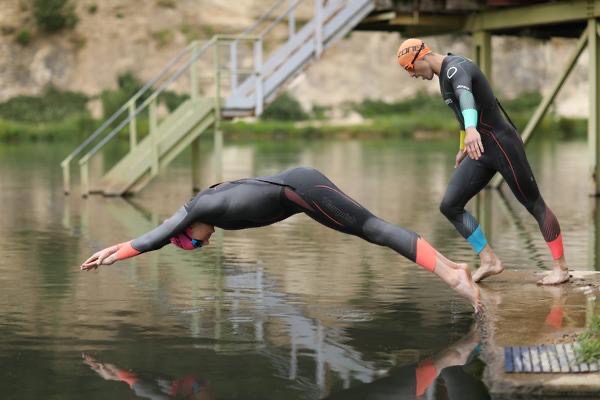
Private Swimming Lessons, Open-Water & Cold Water Coaching
Private open water swimming coaching across London, Surrey and the South East, including Reigate and Dorking, covering technique, confidence, cold water and challenge preparation. Every session starts with a conversation about what you want to achieve and what is currently getting in the way.
What this covers
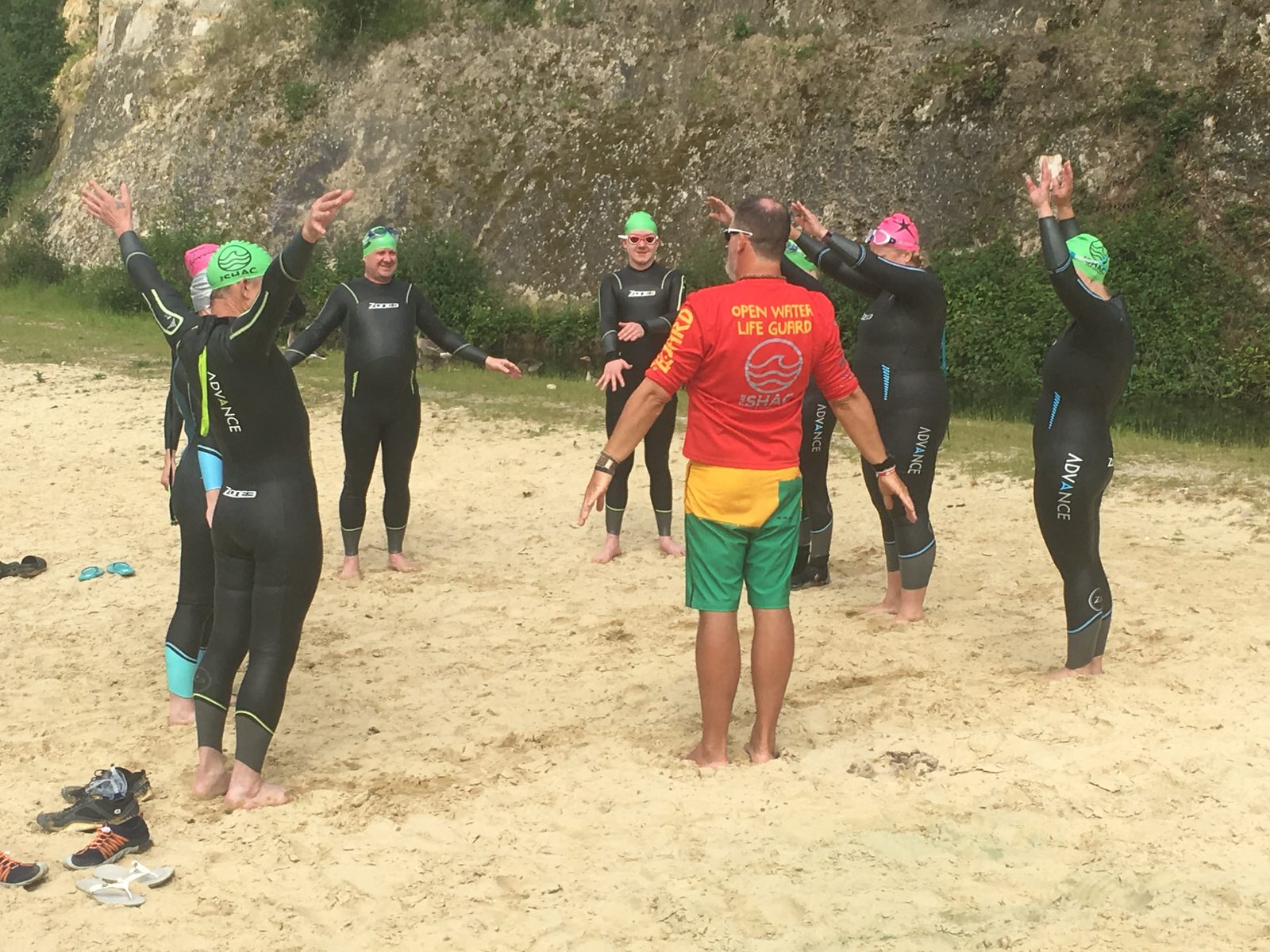
Adult swimming, open water and colder conditions.
Most people arrive with a specific ambition: a first open water event, a triathlon swim they would rather not dread, or simply wanting to swim without it feeling like hard work. The starting point is where you are now and what is getting in the way.
- Private adult swimming coaching, at your pace and without an audience.
- Swimming technique — small, durable changes rather than a rebuild.
- The pool-to-open-water transition, which is as much about environment as stroke.
- Preparing for a first open water event or a first triathlon swim.
- Open water confidence: sighting, breathing, pacing, and staying calm when it gets busy.
- Understanding the environment — water, weather, depth, temperature, and how a venue actually operates.
- Cold water introductions, approached as informed participation rather than a challenge.
- Winter swimming development for swimmers who want to keep going as the season turns.
- Personal swimming challenges, where the goal is yours rather than off a syllabus.
Sessions are usually held at suitable swimming venues and locations across London, Surrey and the South East, including around Reigate and Dorking. Travel further afield may be agreed for a suitable brief.
The first coaching session is £150, including the discovery work before we meet. See coaching & pricing →
A common blocker
Breathing without the baggage
Breathing is one of the things swimmers struggle with most — usually not because of fitness, but because they have collected too many rules about when, how often and on which side they are supposed to breathe.
SHACADEMY coaching starts by taking those rules away. Skip uses a simple, practical process to see what you are actually doing in the water, remove the unnecessary complications, and help you find a breathing rhythm that works for you rather than one prescribed pattern everybody is pushed into.
The point of it is calmer, more sustainable swimming and more confidence — in the pool, and then in open water where conditions, other swimmers and sighting all make breathing harder to hold on to.
- Unpicking the rules and myths you have picked up along the way.
- Understanding what your own breathing pattern is doing right now.
- Finding a rhythm you can hold when the swim gets longer or busier.
- Bilateral breathing as an option, not an obligation.
- Keeping the stroke calm while you sight, turn and adjust.
- Carrying it from the pool into open water rather than starting again.
Beginners welcome
Looking for private swimming or open water lessons?
If you are searching for private swimming lessons, adult swimming tuition or open water swimming lessons in Surrey, this is the same thing described differently. People come for all sorts of reasons:
- You want a private swimming lesson rather than a place in a public class.
- You want your stroke to feel easier and less like hard work.
- You want to improve technique you already have.
- You are moving from pool swimming into open water for the first time.
- You want a properly supported first open water experience.
- You are preparing for your first open water event.
- You are preparing for your first triathlon and the swim is the worry.
- You simply want to feel more confident in open water.
Complete beginners to open water are welcome. The distinction here isn’t beginner versus advanced — it is coaching built around your own goal, from whatever point you are starting.
Sessions are arranged at suitable locations in Surrey and the Surrey Hills, including around Reigate, Dorking, Guildford, Crawley and Horsham depending on the coaching required.
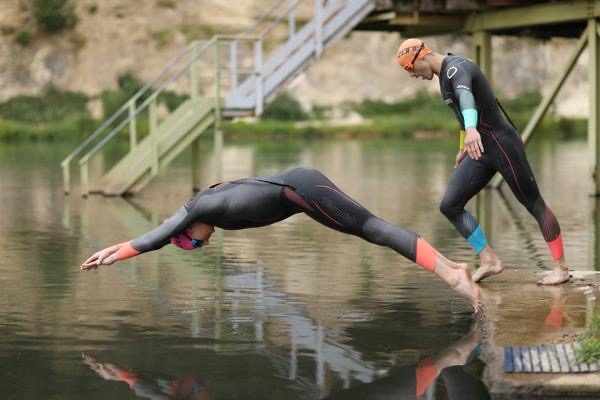
How the coaching works
Coaching built around what you are trying to do
My job is not to show you how I paddle or swim. It is to work out what is actually holding you back, change the one or two things that will make the biggest difference, and explain them clearly enough that they stay with you when I am not there.
In the water
A lifeguard and swimming instructor since 16, and an STA Open Water Swim Coach for more than ten years. Strongest on stroke and breathing, sighting, stamina, confidence, the pool-to-open-water step, cold-water progression and challenge preparation. Surf and sea swimming in Costa Rica and Australia informs how I read conditions — it is experience, not a separate specialism.
- Spotting the simple technical change that makes a real difference.
- Explaining it clearly — and why it works, not just what to do.
- Adapting to the individual rather than running a fixed programme.
- Building confidence without overcomplicating things.
- Decision-making and mental approach as much as physical skill.
- Understanding the environment: water, weather, conditions and consequences.
- Practical skills for the specific water you will actually be on or in.
- Preparation for a personal goal, an event, a challenge or an adventure.
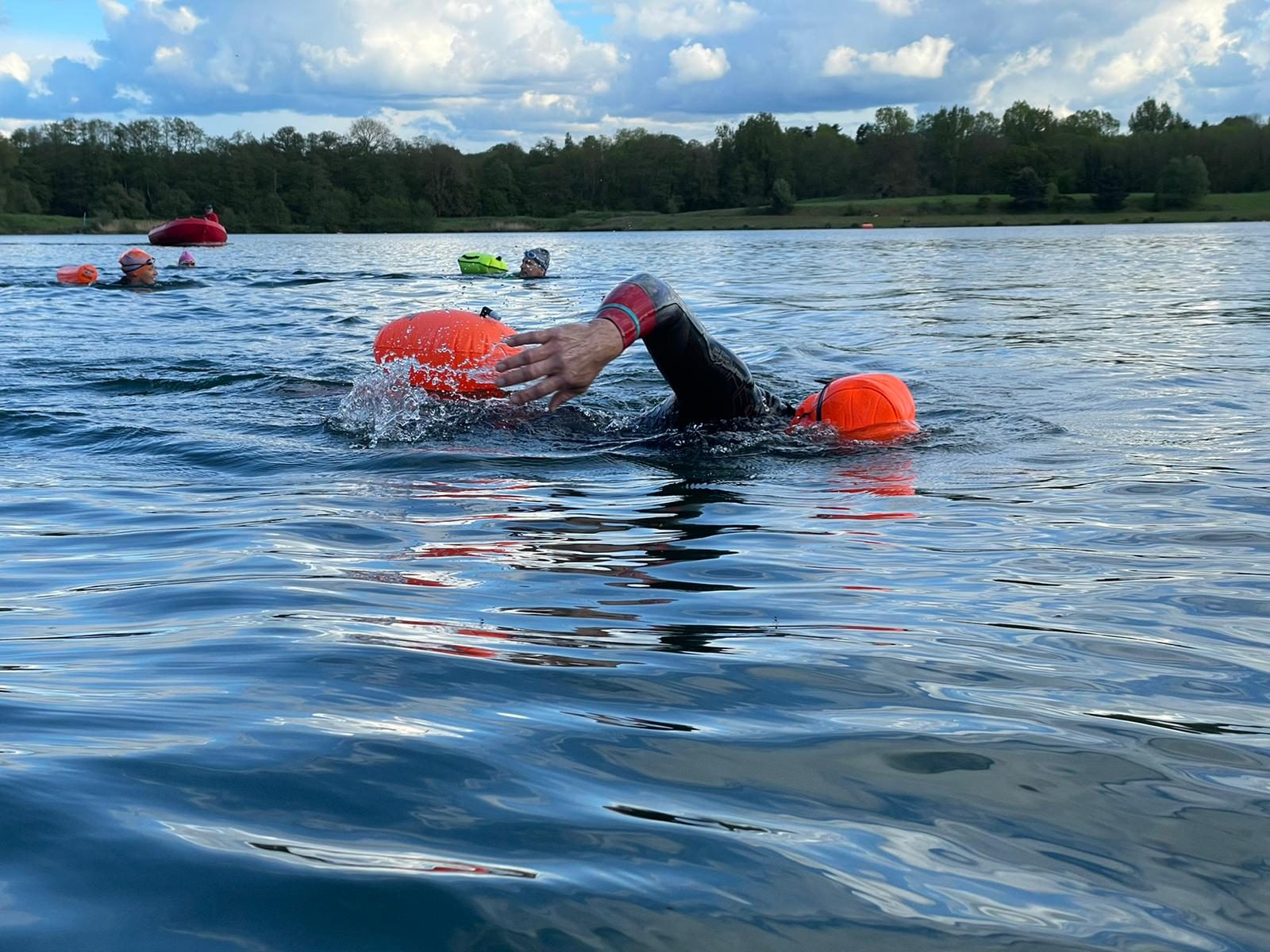
Colder conditions
Cold Water & Winter Swimming
The aim is to become a more capable swimmer in colder environments — not simply to tolerate colder water. Two related needs, both handled unhurriedly, for individuals, couples, friends or suitable private small groups.
That covers people approaching their first colder season, and outdoor swimmers who already swim through the warmer months and want to keep going and keep developing as the water cools.
Getting started in cold water
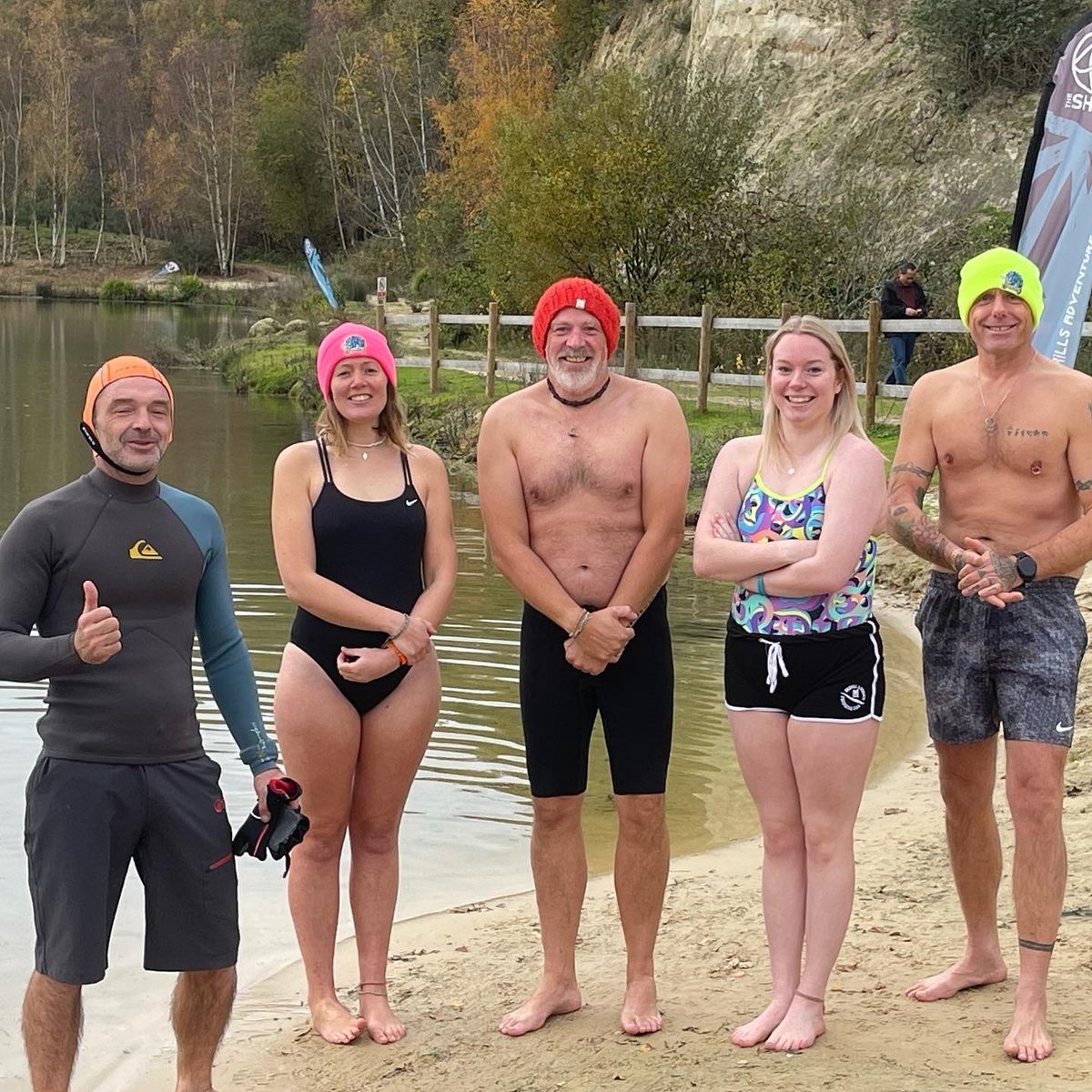
An informed introduction for people new to cold water swimming: how to prepare, what equipment actually helps, reading the conditions in front of you, sensible acclimatisation, building confidence, and the practical judgement to decide when to get in, how long to stay and when to stop — with appropriate safety cover in place.
Developing as a winter swimmer
For outdoor swimmers who want to keep swimming as conditions get colder: understanding how the environment and the risks change through the season, developing skills and judgement rather than relying on willpower, and becoming more confident and more independent as a winter swimmer.
Sessions are arranged on suitable water in Surrey and the Surrey Hills — which can include water you already swim at, where that venue’s own access arrangements and rules allow it. Coaching comes to the water rather than requiring you to move to a different one.
No claims are made here about health, therapeutic or wellbeing benefit — that is not what this coaching is for.
How it’s approached
Informed, not heroic.
The focus is on informed participation: understanding what cold water does to breathing and movement, recognising your own responses, choosing appropriate kit and exit points, and building confidence with sensible safety cover in place.
Why it’s different
Experience on both sides.
Scott “Skip” Innes has been a lifeguard and swimming instructor since he was 16, and has taught swimming for many years — complete beginners, adults and children — as well as being an STA Open Water Swim Coach for more than ten years. His own open-water swimming came through the sea and surfing first, and rivers and lakes later: he is an adventure and open-water swimmer rather than a competitive one. He then spent more than a decade building and running an inland open water venue through The Surrey Hills Adventure Company (The SHAC) — writing the open water procedures, training the lifeguard teams and watching thousands of swimmers meet cold, dark water for the first time.
What most people notice is the communication. He is a technically strong swimmer, and particularly good at spotting the one or two simple adjustments that make a stroke easier — then explaining them clearly enough that they stick. That is usually worth more than training harder, and it is why nervous swimmers tend to progress here.
There is practical depth behind that too: a long spell in Costa Rica within the last few years swimming daily in surf and sea, and surf and sea swimming in Australia. It is not a separate service or a specialist sea-swimming qualification — it simply means surf and moving salt water are conditions he knows first-hand, and that informs the open-water coaching.
Skip’s Tips
Cold Water Swimming — Skip’s Tips
Learn your own body, not somebody else’s limits.
Here’s how I think about cold water, drawn from the swimmers I’ve coached and the winters I’ve spent in it. It isn’t a set of rules and it isn’t a challenge. The point is to build up experience and judgement a little at a time, so you start to understand how you respond — and to leave yourself a sensible margin rather than finding your limit by going past it.
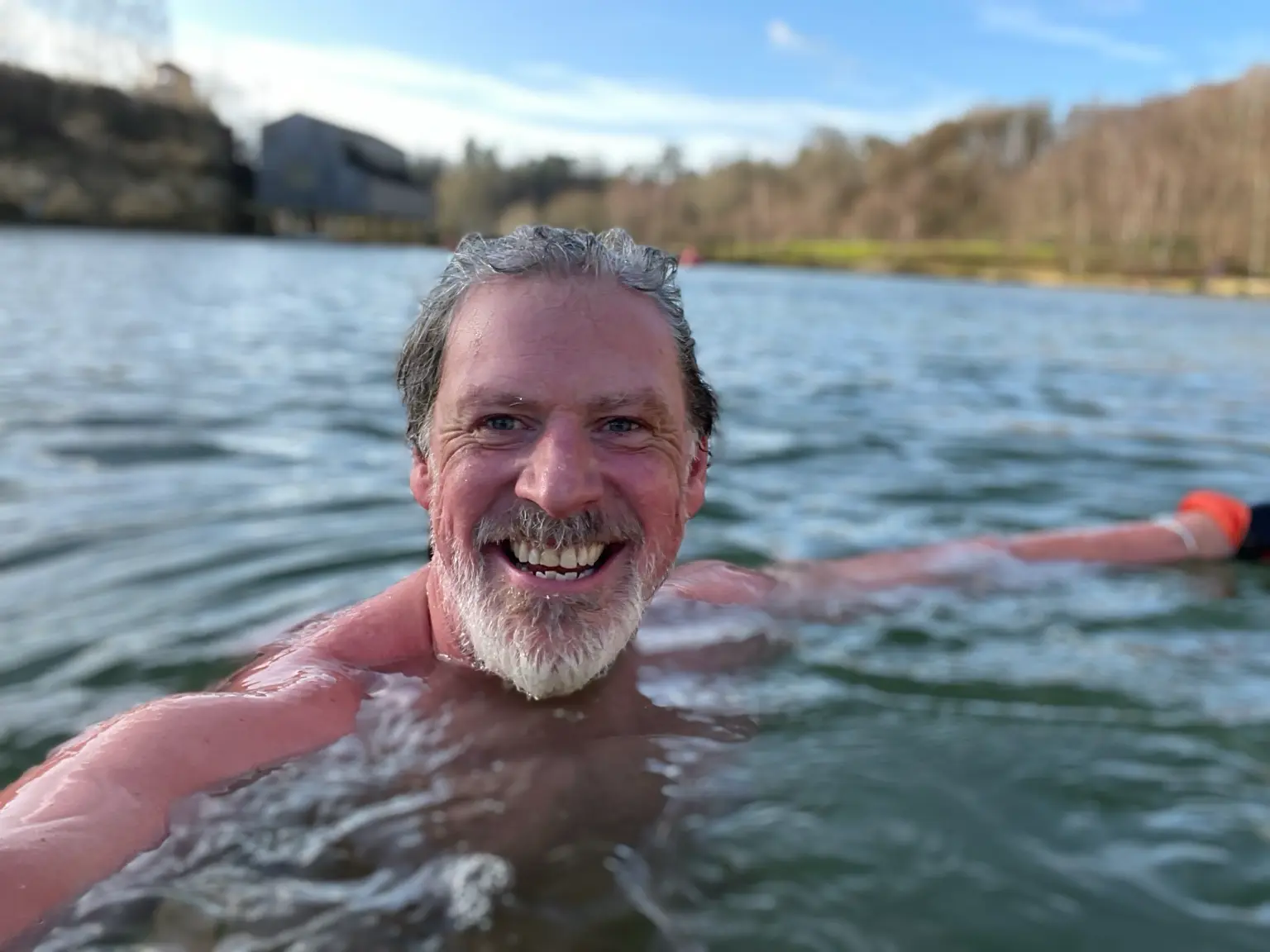
01Start early and follow the season
If you want to swim outdoors through a UK winter, the easiest way in is to start while the water is still relatively warm and simply keep going as it cools. September is often a sensible point to begin — that’s a practical suggestion from experience, not a rule and not a magic date.
Following the season down gives you weeks of small changes instead of one big shock. You get used to how the water feels, you notice how you respond, and you adjust your kit, your time in the water and your approach as you go. It’s far easier than turning up in the middle of winter and trying to learn all of it at once.
From the archiveSkip talking about the changing cold-water season at The SHAC — 2022. Watch the original on Facebook →
02Learn your own body, not somebody else’s limits
Every swimmer responds to cold water differently, and the same swimmer can have a completely different day from one swim to the next. Sleep, fatigue, what you’ve eaten, how you’re feeling generally, the weather, the water temperature, what you did last time — any of it can change the experience.
So don’t copy the person swimming next to you: not their time, not their distance, not their kit. The aim is to get steadily better at reading your own responses on that particular day. And be honest with yourself about it — as you get more used to cold water it can start to feel easier, and feeling comfortable doesn’t mean the cold isn’t affecting you.
03There are no prizes for being colder than everybody else
This isn’t a competition. If the swimmer next to you is in a costume, that doesn’t mean you should be. If a wetsuit makes the swim better for you, wear one. If gloves help, wear them. Boots, wear them. A hat, wear one.
I find protecting my hands, feet and head makes colder swimming a lot more comfortable, and comfortable usually means I swim better and enjoy it more. Choose kit around comfort, function and what suits you and the conditions — not around wearing as little as possible.
04Fuel and preparation matter
How you feel going in matters. I’ve seen plenty of swimmers have a harder time in the water simply because they arrived tired, rushed or having eaten nothing all morning.
I’m not going to tell you what to eat or when. Just don’t treat the swim as the only bit that needs preparing for. Look after yourself before you get in as well as afterwards.
05Listen to the first little voice
One of my own rules. When the thought first arrives — “is it time to get out, or shall I just do another lap?” — that’s when I get out.
It’s a personal judgement rule, not a scientific test of how long anybody can safely stay in. What it does is build in a margin. I’d far rather get out thinking I could probably have done another lap than find out afterwards that I stayed in too long. I’m not interested in discovering my maximum tolerance, and I’d rather you weren’t either.
06Pack your bag backwards
Think about what you’re going to need the moment you get out, and make sure that’s at the top. Towel, hat, first warm layers, something windproof, a warm drink — in roughly the order you’ll want them.
When you’re wet and cold and your hands aren’t working quite as well as normal, rummaging around in the bottom of a bag looking for your hat is the last thing you want to be doing.
07Getting out is part of the swim
The swim doesn’t finish because you’ve left the water. Getting out doesn’t necessarily mean you’ve stopped cooling straight away, which is why what you do next matters.
My own routine is simple and always the same: wet kit off, get dry, hat and warm layers on, get out of the wind, then a warm drink and something to eat. Plan that before you get in, not while you’re standing there shivering.
08Keep moving, but don’t go mad
Once I’m dry and I’ve got my layers and hat on, I like to keep gently moving while I warm back up — walking about, moving my arms, staying a bit active. I’m not talking about going for a run or doing a workout.
I also don’t try to shortcut the rewarm by going from cold water straight into really intense heat. Get dry, layers and hat on, something warm to drink and something to eat, keep gently moving, and give yourself time to warm back up properly.
Practical advice from experience, shared as it would be beside the water. It isn’t medical guidance, and it doesn’t replace suitable safety cover, sensible venue rules or your own judgement on the day.
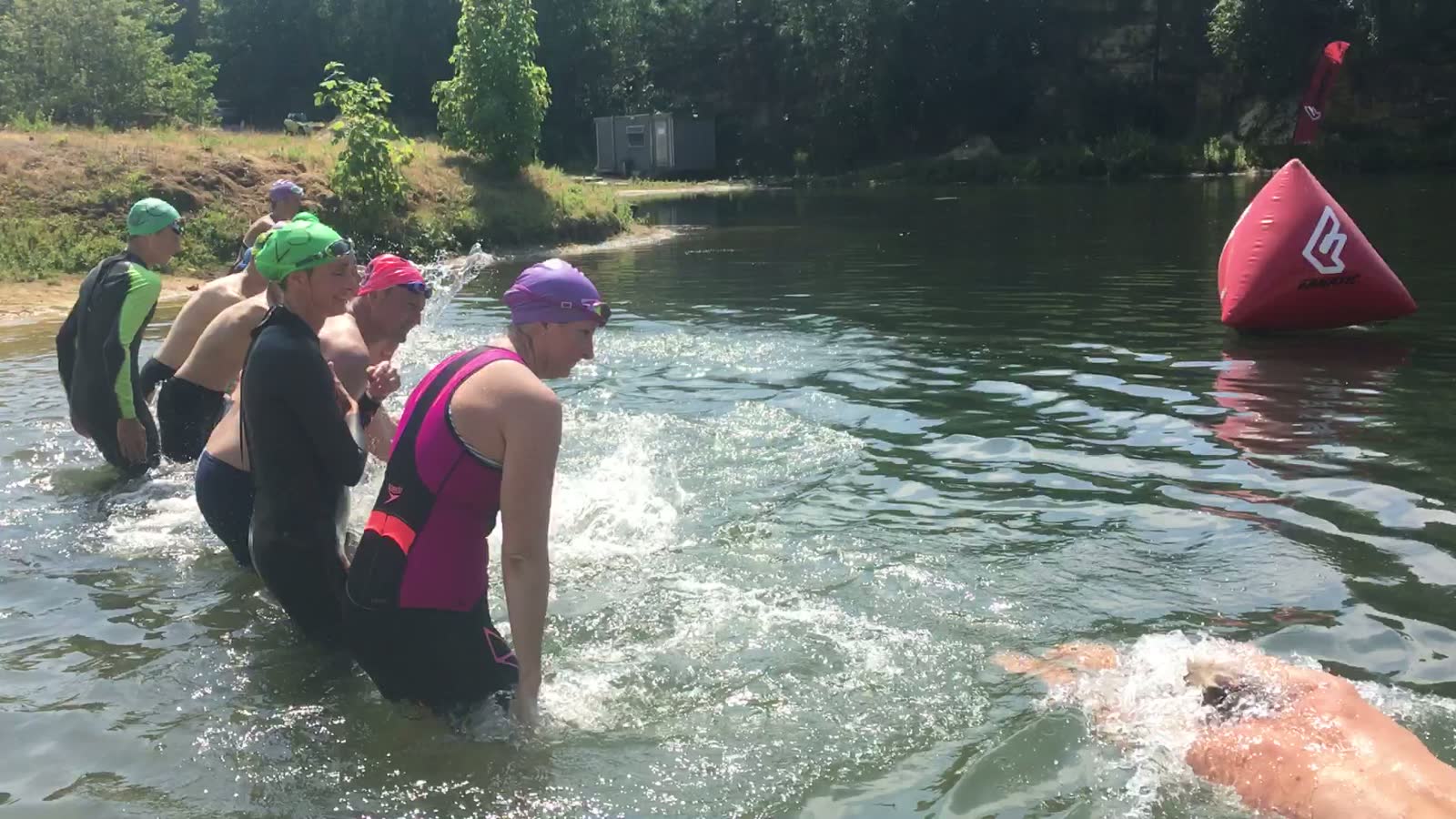
From the archive — 2018
Coached open water in 2018
Organised, coached open water swimming has been part of this work for years. This still is taken from footage filmed at Buckland Park Lake in July 2018 — a coached group entering the water on a marked, supervised course. It evidences how long the coaching has been running, not the sessions, kit or methods offered today.
The approach
You may only need one session.
That's why the first session is deliberately thorough. Before we meet, we'll understand what you're trying to achieve and where you are now. Then we concentrate on identifying the things likely to make the biggest difference, explaining why they matter, and giving you something useful to work with afterwards.
You may decide that's enough. That's absolutely fine. If there's genuinely more you'd like to work on, further coaching is available at a lower session price, because the discovery work has already been done. First & further session pricing →
Working out where to swim, or what to aim at? See Where to Swim and swim events & challenges.
Based in London? SHACADEMY works with plenty of London-based swimmers. For London-based clients, sessions can be arranged at suitable venues in Surrey and selected London locations, depending on activity and venue availability — see open-water coaching for London.
Kit
What we'd actually suggest you swim in.
Kit questions come up in nearly every session. The priorities are fit, warmth and visibility; equipment does not replace good judgement in the water.
- Wetsuits
- For open water, fit matters more than price. Look for a swim-specific suit with genuine shoulder flexibility and no gap at the lower back or neck — a suit that flushes cold water will undo an otherwise good session. Try it on wet if you can, and buy for the water you actually swim in rather than the coldest day you can imagine.
- Goggles
- Two pairs is sensible: a clear or low-light lens for early mornings and overcast water, and a tinted lens for bright conditions. Open-water goggles with a slightly wider field of view make sighting much easier. Seal comfort is the only real test — anything that leaks in a pool will leak worse in a lake.
- Caps and head warmth
- A bright cap first, for visibility. As temperatures drop, a second silicone cap or a neoprene cap makes a bigger difference to how long you can comfortably stay in than almost anything else you can buy.
- Tow floats
- Wear one in open water. It does not make you safe on its own, but it makes you visible, and a dry-bag version carries a phone and a warm layer for the walk back. Check the valve and seams before each season.
- Changing robes
- Getting warm afterwards is part of the session, not an afterthought. A lined changing robe plus a dry hat and gloves does more for cold-water recovery than a thicker wetsuit. Change out of wet kit before you start feeling cold, not after.
- Thermal layers for after
- Warm, dry, easy-to-pull-on layers, packed in a dry bag so they are still dry when you need them. Cold hands make zips and small buttons difficult — choose kit you can get into while shivering.
- Swimwear
- Comfort and chafe resistance over anything else. Whatever you swim in should survive being worn under a wetsuit for an hour without rubbing at the neck, arms or thighs.
- Footwear
- Something you can walk into and out of the water in. Inland entries and exits are rarely smooth, and neoprene socks or booties also buy you noticeable extra time in colder water.
Disclosure — some links on this page may earn SHACADEMY a commission. Not all links are commercial, and no recommendation here is made because of it. What we suggest is based on suitability, coaching experience and what holds up in real conditions.
Tell us what you’re trying to achieve.
Tell us what you're trying to achieve and we'll explore whether SHACADEMY is the right fit. Skip personally reviews every coaching enquiry.
Tell us what you’re trying to achieve →The first private coaching session is £150. Sessions are arranged individually and remain subject to suitable venue, permissions and operating conditions.